


.svg)


The exhaustion of being a woman
Let me paint you a picture of what it's like being a woman navigating intimacy in 2026.
We're supposed to be capable, beautiful, smart and likeable on every front. We have to be sexy but not too tempting. Completely safe but also exciting. Ready to take on emotional labor at any moment but also expected to be a sensual goddess at the drop of a hat. We're expected to know exactly what we want in bed, but god forbid we're too vocal or needy about it.
It's really exhausting.
And then on top of all that pressure, we're told that if the sex isn't great, if we're not "in the mood," if we've lost that spark after 10 years together, well, that's just what happens. That's normal. Welcome to the rest of your life.
I spent a decade in a relationship watching our intimacy slowly fade into predictable patterns. Not bad sex, just... routine. The kind where you go through the motions because it's been a while, not because you actually crave it.
I started looking for advice on how to keep things interesting and realized a lot of people were in the same boat. Couples who loved each other but felt more like roommates than lovers. Women (and men) who wanted more but didn't know how to ask for it.
The Research that changed everything
So I did what any French feminist would do: I read.
I even took a sabbatical from work to read everything I could about the science and philosophy and art of sex. I consumed every piece of research I could find on sexual satisfaction, communication, and long-term desire. I surrounded myself with sexologists, therapists, and pleasure educators.
That's when I discovered one book and one framework that completely changed how I thought about intimacy.
The book was Come as You Are: The Surprising New Science that Will Transform Your Sex Life by Dr Emily Nagoski Ph.D.. A real eye opener for me. The research she cites showed me there was a new way to do hands-on sex ed that would be therapeutic without being clinical.
Then I talked, with my friends and with people in the sexual wellness industry. This is where I came across the nonprofit organization Pleasure Project. Their research proved that pleasure-positive approaches to sexual health actually work.
Reading all of this felt like permission I didn't know I needed. Permission to center pleasure. Permission to talk openly about desire. Permission to believe that great sex wasn't just for the beginning of relationships. It was something you could actively cultivate.
The principles were simple but powerful: be positive about sex, prioritize communication, embrace learning, and recognize that everyone, regardless of background or relationship length, deserves pleasure.
That's when I quit my job and decided to use my skills in wellness technology to build something beautiful.
Traditional solutions didn't work for me
Here's what frustrated me most: almost every resource out there put the burden entirely on couples to figure it out themselves.
Read this book. Try this position. Have "the talk."
But nobody really talks about the barriers. How awkward it is to bring up fantasies when you're exhausted from work, the anxiety of asking for something new when you're worried your partner will judge you, how hard it is to get out of your own head during sex when you're thinking about your body, the kids, tomorrow's meeting, whether you're taking too long.
And sure, there are therapists and sex-positive voices online discussing these things now. Talking is great. You know I love to talk.
But I felt like we actually had to DO.
We needed something different. Something that would guide us step-by-step. Something that would take the pressure off and let us just... experience.
I wanted a bedroom wingwoman
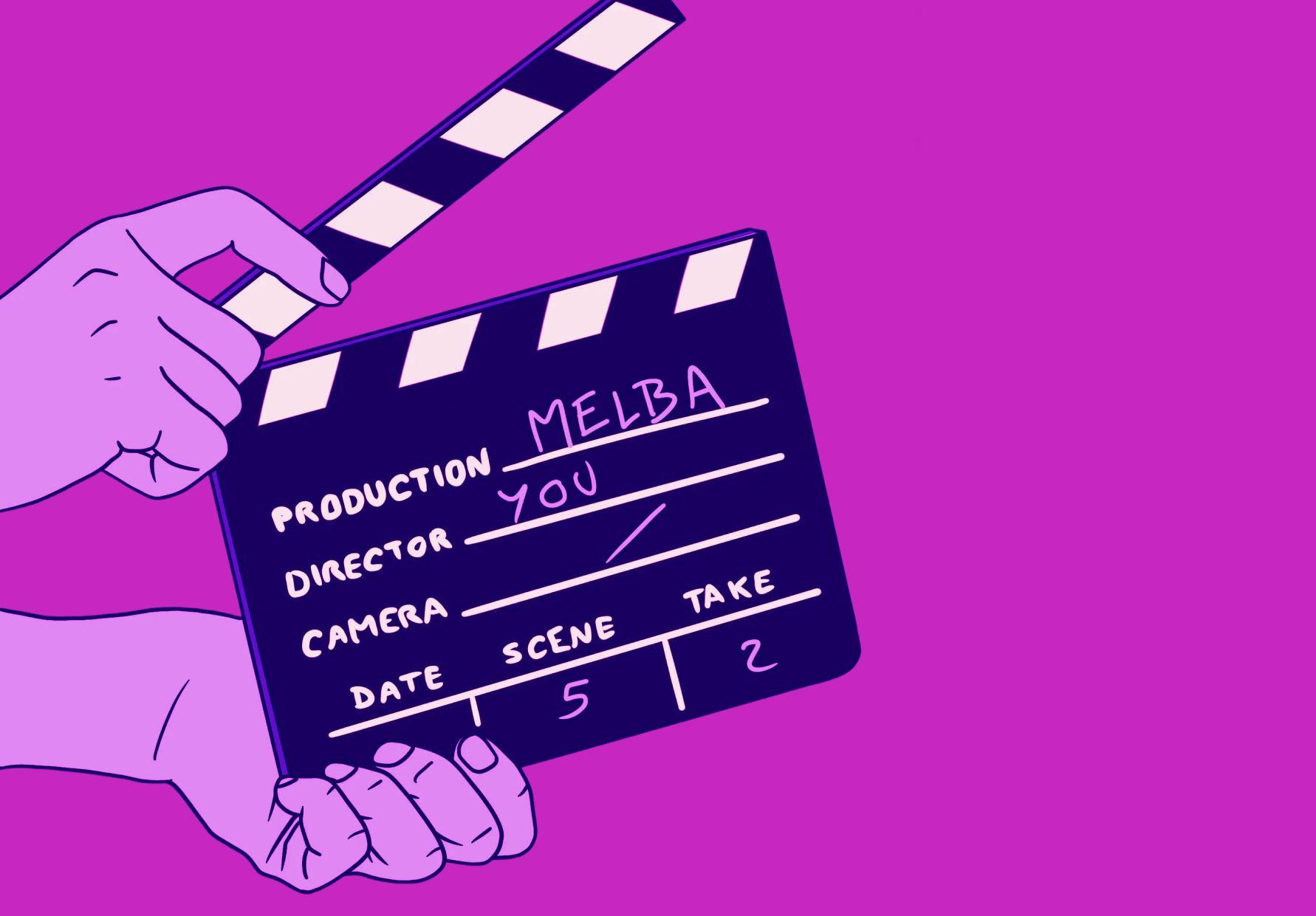
I built Melba to be the guide I desperately needed and was sure women around the world would want as well.
It's simple: couples choose from a catalogue of intimate experiences, everything from sensual massages to fantasy role-plays to communication exercises. Press play, and a warm voice walks you through exactly what to do, moment by moment.
No decisions. No pressure. No awkward pauses where you're wondering "what next?"
Just real lovemaking.
The audio guides you through extended foreplay (because foreplay deserves to be front and center, not a rushed five-minute obligation), helps you communicate what feels good, and creates space for you to explore fantasies you might have been too shy to bring up on your own.
We first launched in France, and it blew up. Over 1 million couples have now used Melba, and the response has been incredible.
What I've learned
Here's what surprised me most after launching Melba:
Men download the app, but women benefit most.
Men are conditioned to look for technical solutions to everything, so they're often the ones who discover Melba first. But in the end? It's the women who feel the change in the dynamic. They feel more desired. They are truly heard. They rediscover pleasure they thought was gone.
That's exactly what I was hoping for, but it still moves me every time I read a review from a woman saying she feels sexy again, that she finally asked for what she wanted, that intimacy doesn't feel like a chore anymore.
We're all a lot more similar than we think.
The shame, the anxiety, the feeling that you're the only couple struggling with this, it's universal. The comments, DMs, and reviews we get all say versions of the same thing: "I thought we were broken." You're not broken. But everyone can use a little help sometimes.
Pleasure is a skill, not a given.
We assume that if the chemistry was there at the beginning, it should just... stay. But like any other part of a relationship, intimacy requires attention, communication, and yes, practice. The couples who thrive with Melba aren't the ones with perfect sex lives. They're the ones willing to try, to laugh when things feel awkward, to keep showing up for each other.
Building a pleasure-inclusive world
Melba isn't just an app. It's a contribution by the Melba team and our community to a larger movement.
A movement that says women's pleasure matters. That says sex education shouldn't stop after high school biology (if you're even that lucky to get that). That says long-term relationships can be hot, adventurous, and deeply fulfilling if we're willing to put in the work.
Because when we center pleasure, magic happens. Couples communicate better. They feel closer. They laugh more. They feel alive.
And that's worth fighting for.
So if you're reading this and thinking, "Maybe we could use a little help," welcome. I built this for you. For us. For everyone who refuses to accept that passion has an expiration date.
Let's reclaim pleasure, together.

.svg)
